
Have you ever wondered how conditions like anxiety and ADHD might influence cognitive decline? This question becomes increasingly relevant as we attempt to understand how mental health intersects with cognitive function. Anxiety and ADHD are not just isolated conditions; they can have far-reaching effects on various aspects of your life, including your cognitive abilities. Understanding these impacts is crucial for mitigating potential risks and enhancing well-being.

Understanding Anxiety and ADHD
Before diving into the impact these conditions have on cognitive decline, let’s first explore what anxiety and ADHD entail. This will help lay the groundwork for appreciating how they may contribute to cognitive changes over time.
What is Anxiety?
Anxiety is an emotion characterized by feelings of tension, worried thoughts, and physical changes. It becomes a disorder when these symptoms are persistent and interfere with daily activities. Anxiety disorders are among the most prevalent mental health conditions worldwide, affecting millions of individuals. General Anxiety Disorder (GAD), panic disorder, and social anxiety disorder are just a few of the types that fall under this umbrella.
What is ADHD?
Attention Deficit Hyperactivity Disorder (ADHD) is a neurodevelopmental disorder usually diagnosed in childhood and can persist into adulthood. It manifests predominantly through symptoms of inattentiveness, hyperactivity, and impulsiveness. Individuals with ADHD often struggle with organizing tasks, focusing on details, and following through with instructions.
The Connection Between Mental Health and Cognitive Decline
The interplay between mental health conditions like anxiety and ADHD with cognitive decline is a subject of extensive research. Cognitive decline refers to the gradual loss of brain functions such as memory, decision-making, and problem-solving skills. It’s particularly concerning as it may lead to dementia over time. Understanding how anxiety and ADHD can exacerbate these issues is pivotal in developing effective treatment and prevention strategies.
Anxiety and Cognitive Decline
Anxiety can have a profound impact on cognitive functions. When your brain is constantly responding to stressors, whether real or perceived, it can impair your ability to think clearly and process information.
- Cognitive Load: Anxiety increases cognitive load, utilizing mental resources that could otherwise be used for reasoning and memory tasks.
- Long-term Effects: Chronic anxiety has been linked to structural changes in the brain, particularly in regions responsible for memory and emotional regulation.
- Memory Impairment: Anxiety can lead to difficulties in both short-term and long-term memory, making it harder to retain new information or recall existing memories.
ADHD and Cognitive Decline
Similarly, ADHD affects cognitive processes, which can have long-term implications if not managed effectively.
- Executive Function: Those with ADHD may struggle with executive functions, which include planning, organizing, and managing time—the very skills crucial for maintaining cognitive health.
- Attention Issues: Persistent attention problems make it difficult to process information efficiently, potentially leading to cognitive stagnation.
- Impulsivity: This can result in hasty decision-making and lack of foresight, affecting learning and memory consolidation.

Research and Evidence
It’s essential to explore whether these conditions directly initiate cognitive decline or contribute to its progression. Current research sheds light on these possibilities but also highlights the complexity of the issue.
Studies on Anxiety and Cognitive Decline
Research suggests a consistent link between anxiety disorders and accelerated cognitive decline. In a study examining older adults, those with anxiety exhibited faster rates of cognitive deterioration compared to their peers without anxiety.
- Brain Structure Changes: High anxiety levels have been associated with reduced hippocampal volume, a region integral to memory formation.
- Chronic Cortisol Exposure: Prolonged anxiety leads to increased cortisol levels, contributing to neuronal damage over time.
Studies on ADHD and Cognitive Decline
While ADHD in childhood is well-researched, its implications for adult cognitive decline are gaining attention.
- Neuroimaging Findings: Studies using neuroimaging techniques reveal ADHD-related differences in brain regions involved in cognitive control that may persist into later life, potentially leading to decline.
- Lifelong Challenges: Individuals with ADHD often face lifelong challenges in maintaining cognitive health, further exacerbating decline risks as they age.
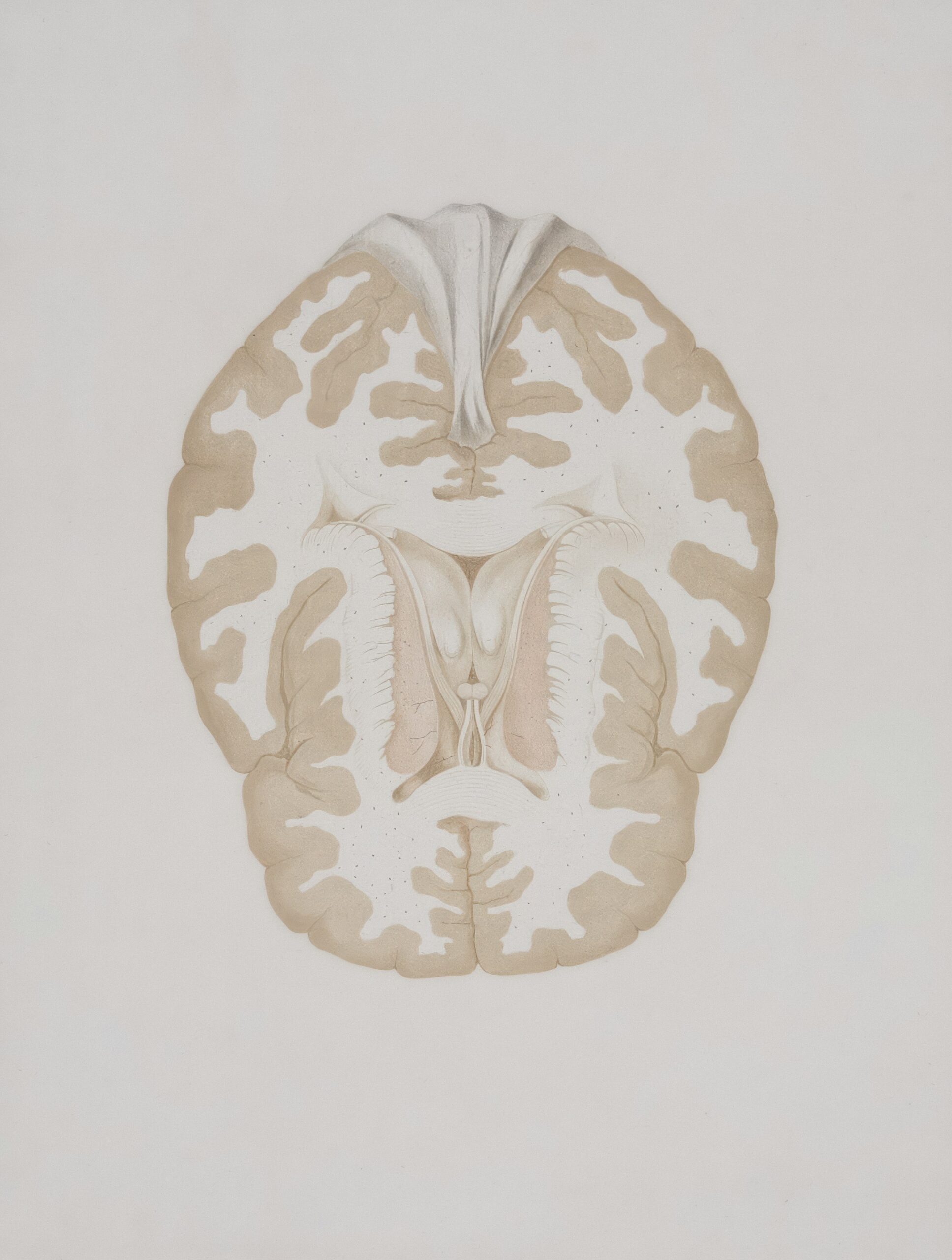
Managing Anxiety and ADHD to Reduce Cognitive Risks
While the relationship between these conditions and cognitive decline appears evident, there are ways to potentially offset their detrimental impacts. Adopting effective management strategies can preserve cognitive function and enhance quality of life.
Treatment Options for Anxiety
Managing anxiety involves a combination of therapies and sometimes medications, tailored to individual needs.
- Cognitive Behavioral Therapy (CBT): This form of therapy is highly effective in helping individuals identify and manage anxious thoughts, reducing mental strain on cognitive functions.
- Mindfulness and Relaxation Techniques: Practices such as meditation and yoga can significantly reduce anxiety levels by promoting relaxation and reducing stress.
- Medication: In some cases, medication may be necessary to manage anxiety symptoms that could affect cognitive function.
Treatment Options for ADHD
Treating ADHD involves multifaceted approaches to reduce symptoms and improve daily cognitive function.
- Behavioral Therapy: This helps in developing coping strategies that can lessen the impact of ADHD on cognitive skills.
- Medication: Stimulants and non-stimulant medications can support focus and attention, indirectly benefiting cognitive health.
- Lifestyle Modifications: Regular exercise, a balanced diet, and structured routines can mitigate some negative cognitive impacts of ADHD.

Prevention Strategies
Proactive measures may help delay or prevent cognitive decline in those with anxiety and ADHD.
Lifestyle Choices
Maintaining a healthy lifestyle is a robust method in preserving cognitive function.
- Exercise: Regular physical activity boosts brain health by improving blood flow and reducing stress.
- Nutrition: A diet rich in antioxidants, omega-3 fatty acids, and vitamins supports cognitive functions.
- Sleep Maintenance: Adequate sleep is crucial for cognitive processes and can be particularly beneficial for those with ADHD.
Social Engagement
Staying socially active can enhance cognitive reserve.
- Social Networks: Having a support system can reduce the effects of anxiety and promote cognitive engagement.
- Community Activities: Participation in group activities can help maintain cognitive function by keeping the mind active and engaged.
Cognitive Training
Engaging in activities that challenge the brain can counteract cognitive decline.
- Puzzles and Games: Solving puzzles or playing strategic games enhances problem-solving skills.
- Learning New Skills: Continuously learning new skills or languages stimulates brain activity and can bolster cognitive reserves.

Conclusion
The impact of anxiety and ADHD on cognitive decline is complex but undeniable. While these conditions present challenges, understanding their effects and implementing effective management strategies can significantly mitigate the risks associated with cognitive decline. By fostering a supportive environment and promoting proactive health measures, individuals can enhance their overall cognitive resilience, paving the way for a healthier, more fulfilling life.